Making Easy Homemade Wine is Possible
 |
| Tips on making great homemade wine |
Wine grapes, or berries, or other fresh fruits for example pears, apples, peaches and so on, and several combos and blends, can create exceptionally flavored wine beverages without a doubt. However in order for just about any wine fruits to create great wine, they need to be completely ripe. This is the time the actual natural sugar content of these is at its greatest, and will appropriately nourish the wine fermentation yeast enough for this to create the correct alcohol content. Nonetheless, you won’t ever locate these kinds of fruits in a grocery store as these shops offer only under-ripe fresh fruits so these don’t spoil prior to their arrival to your home.
Easy Homemade Wine Making Suggestions
The most crucial elements that help the strategy of creating great wine in your own home are the proper ingredients, the best equipment, in addition to good hygiene. Should you be considering to begin wine making for a regular pastime, it will likely be lucrative if you can invest in the required equipment, including:
• 1 huge stainless steel pot or even food grade plastic-type tub together with a lid
• Quite a few modest glass fermentation containers (jug, demijohn, carboy, and so on) that have lids
• An electrical juicer
• 1 plastic tube
An essential factor you need to bear in mind is the fact that prior to making use of all of these devices, you must sanitize all of them with sterilizing capsules or even solutions. If you don’t have any of these, cleansing them with boiled water may work as well.
The entire process of how to make easy homemade wine; isn’t challenging, but a bit time-consuming. Though the method might be a time intensive one, making an attempt to create homemade wine beverages will certainly be worth the wait in the end. Understanding how to make easy homemade wine; will guarantee that you always have an availability of wine to compliment every one of your meals or snacks.
Make Quality Wines In Home

In any other case, your wine might not turn into something you’re going to be pleased with when it is time for your wine-tasting get together. If you are on course, and as long as you possess the patience (the procedure can be quite time-consuming), then you are off and away to creating among the best home-based wines.
How to make wines from home? First, you need to know how the entire procedure for creating wine in your own home works.
Procedure for Winemaking
If you wish to make a fantastic homemade wine, you need to remember that it’ll really begin by selecting a great number of grapes or even fresh fruits. Obviously, you will find options that are well suited for wine making if you would like to head into a wine enterprise. If you wish to grow grapes for the wine beverages, then you better go for these variations ideal for winemaking.
Safe-keeping is yet another component that will help you make your own wine beverages tastier. The lengthier the actual keeping period, the greater your wine beverages may taste, therefore time is actually a key aspect.
Bear in mind too that when you need to head into creating homemade wine beverages, you need to take a look at a few laws and regulations which control homemade wine making. Take notice that we now have government regulations that manage as well as restrict how much homemade wine you may make in your own home, therefore it is much better to look them over in order to avoid issues concerning the law.
Additionally, ensure that your own operating work space for your wine making is actually clean and disinfected so that you can be certain that there aren’t any impurities and of course, to prevent your wine from going bad.
How to make wines from home?
Smash the fruit manually in the poly pail and put in one quart of sterilized water. Combine well. Smash one camp den tablet and break up the power within 1/2 mug of warm water and combine along with pulp. Leave the combination for one or two hours. Just a little discoloring may occur. Following this, get 1/3 of the sugar for use and boil this for one minute in three pints of drinking water. Enable this syrup to cool after which mix it into the pulp. You can now add the yeast (or some other source of nourishment) and ferment for seven days.
After seven days, strain the pulp through fine cloth and wring it as dry as you possibly can. Place the strained homemade wine directly into a gallon container and dispose of the pulp. After that boil 1/3 of the sugar in a pint of drinking water for about one minute and when cooled combine it with the rest. Cover the top of the container with 100 % cotton wool or fit a fermentation locking mechanism and pursue to ferment the home made wine in a warm place for an additional ten days.
It is possible to modify your fruit-based homemade wine even more before bottling. This is how numerous fascinating versions of your fruit-based wine can be created, in accordance with your own flavor preferences. However, to generate a great mixture you need to check what you expect to do to your wine in small amounts first. By doing this you prevent spoiling the whole set you just created using your brand-new ideas.
Wine Tasting - Easy As Never Before

The wine tasting process is quite simple. Only a small amount of wine will poured into each glass of wine. The reason being is because all you really need is one sip. Wine tasting can be broken down into four components: swirling the wine around your tongue, smelling the wine, tasting the wine, and spitting it out. When done in this manner, you avoid becoming potentially intoxicated. Also, if you chose to swallow the wine as you tasted it, your sense of taste would affect and possibly inhibit your ability to accurately taste other wines.
To assist with rinse the palette, often times fruit or cheese is also offered at a wine tasting party. One important tip here is to slowly consume the cheese so that each part of your mouth gets cleansed. Thus, you will have a clean palette and now you can go back to tasting other wines.
The three facets to analyzing wine include taste, smell, as well as color. By swirling the wine in the glass, you can judge whether the colors are lighter or darker, and also how light affects the color. With smell, the initial whiff is important. Try to see if you can tell a difference between the various wines. This may not come easily at first, but the more you do it the better you will get. As time passes and you get more experience, you will be able to pick up on specific flavors such as citrus, berries, and vanilla.
When examining the wine’s appearance, you want to judge the consistency of the color. To see if there are any traces of other colors, hold it up against a light background and concentrate on the section between the top and the middle of the glass. Any differences here could mean oxidation that may be intentional; however, it could also be a problem that will affects the taste.
Most wines will fall under only a few categories when smelling the wine. The wine will either be fruity or floral, or will be bouquet aromas, which come from the process of wine making. Eventually, you should be able to recognize these categories of scents when wine tasting.
The best cork for your bottles - Homemade wine tips
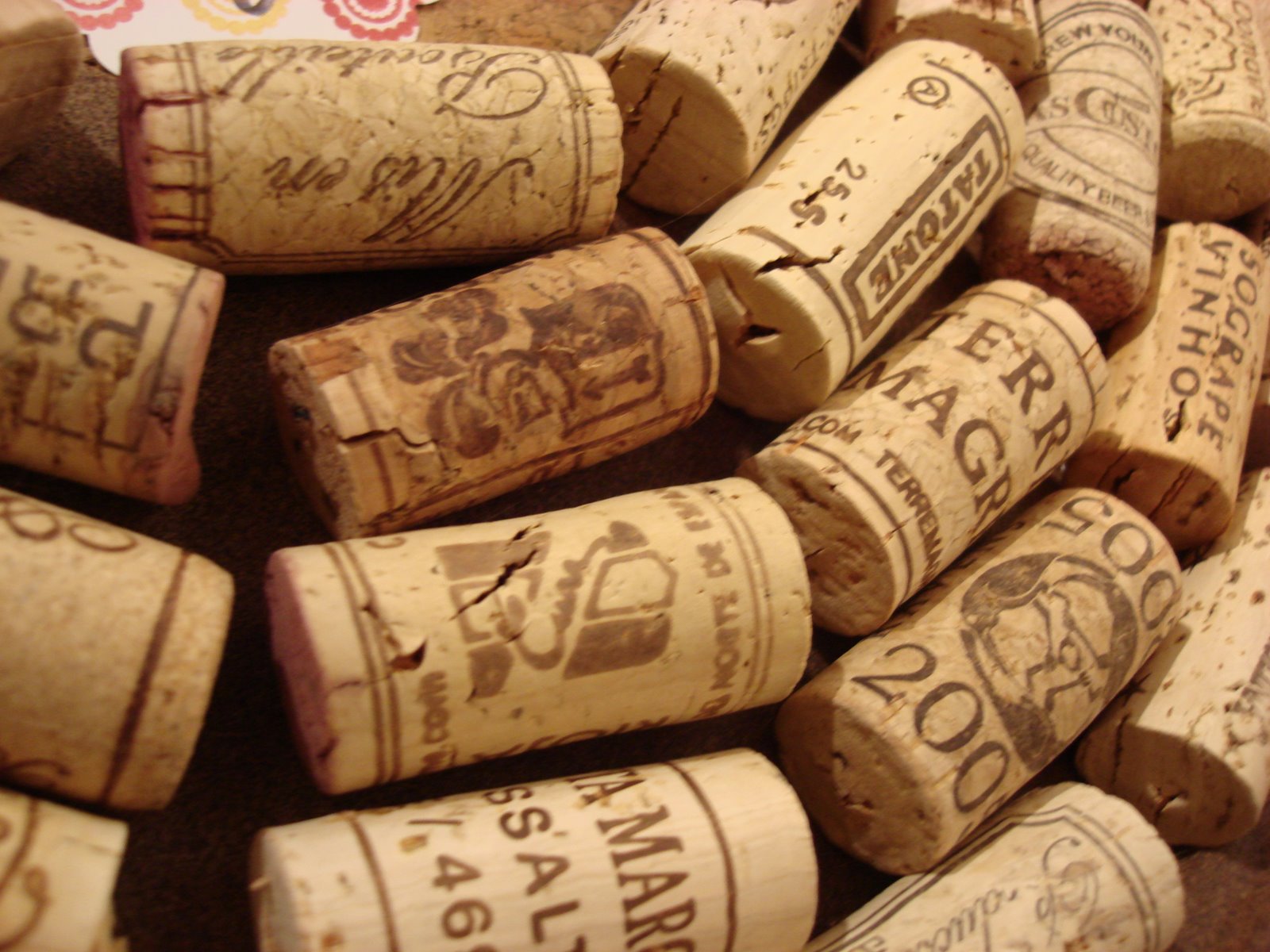
Not enough has been said about how to make homemade wine that will turn out right by using the correct sort of cork to seal off the wine bottle. Actually, the type of cork you select to seal your wine bottles is of crucial importance - it can mean the difference between producing quality wine and junk.
How to Make Homemade Wine with a Quality Cork
Your local wine making store will probably sell you the "agglomerated" type of cork for your wine bottles. Agglomerated cork is cork manufactured from smaller bits of cork compressed together. It also happens to be the lowest quality of cork available for vintners to use.
If you want to use quality cork when learning how to make wine from home, then do try to get cork that has been cut out of just one piece of cork bark rather than individual bits glued together somehow. The cork that was cut out of the cork bark as one piece is the top quality cork that wineries use nowadays.
Pricing for Cork Varieties
Your run-of-the-mill agglomerated cork will sell for around 20 US cents per piece. The top-quality cork that wineries use cost about 75 US cents apiece. Though the agglomerated cork may seem like a cheaper and better option for making homemade wine, the agglomerated cork tend to induce leakage of your valuable wine, leaving the wine inside the bottle tainted by outside elements.
Why Quality Cork is Valuable for Making Homemade Wine
Wineries use the top-quality cork to cut down on any spoilage of wine. At present, around 5% of wine produced by commercial wineries is ruined by cork spoilage. This is equivalent to spoilage of one out of 20 bottles of wine.
Cork spoilage is attributed to fungus that has tainted your wine bottle cork. The prevalence of tainted cork (even those that are brand new and have never been used to bottle any wine) is the main reason that wineries have shifted to using the synthetic type of cork or the screw-top covers instead to bottle wine. You might be surprised how many top-quality wine makers are using the metal screw-tops rather than traditional cork nowadays and it is all to avoid pricey spoilage of their valuable wine.
The reason cork bark-based cork is still being used today is that it is the traditional way to seal off wine bottles, has been in use for centuries, and often looks better than synthetic cork or metal screw-tops. But there are clear advantages to switching to synthetic cork to seal off your wine bottles too.
The Advantages of Using Synthetic Cork
Synthetic cork is a good option if you want a good alternative to the traditional top-quality winery cork. There are some advantages to using synthetic cork. One is that synthetic cork is inexpensive - you can buy a bulk amount of synthetic cork of about 1000 pieces which boils down to around 20 US cents per synthetic cork. This makes it just as cheap as the agglomerated cork.
But synthetic cork is better than agglomerated cork because cork spoilage is avoided. You can stop doing those special things to avoid cork spoilage like turning empty wine bottles upside down or letting them lie down.
There is no need to keep synthetic cork wet either to use them to bottle your wine. You can keep the synthetic cork right side up instead of upside down and it can still be usable. Plus, synthetic corks are not limited by the humidity level of your storage system like cork bark-based cork is. This allows you to buy synthetic cork in bulk volume then store them for even a long time and they will still be useful for you.
The Disadvantage When Using Synthetic Cork
Though synthetic cork can be easier to use for wine bottling than traditional cork, their disadvantage is that they are hard to use with hand corkers for sealing your wine bottles. To seal the bottle properly with a synthetic cork, you have to have a floor corker around.
Problems Inherent With Use of Cork
Natural cork bark-based cork manufacturers have also invested a lot into research as to the causes of cork spoilage and how they can make traditional cork stoppers that will not cause wine spoilage - this has led wine spoilage attributed to bad cork to go down significantly. Often too, it is the winery that is at fault too because of the way they handle corks prior to stopping up the wine bottles, so wineries have to take care that corks are not tainted prior to sealing off the wine bottles.
One major flaw in traditional cork use is that you need a corkscrew or perhaps cork puller to remove the cork before the wine can be drunk. This could also be a problem with use of synthetic plastic corks. By using a corkscrew, you damage the cork often beyond the point where it can be re-used. It is embarrassing for restaurant staff to have to sieve out bits and pieces of the cork that winds up in the wine liquid just so patrons can drink it. It then becomes a problem for both staff and customer as to how the leftover wine in the bottle can be stored - should it be discarded after the wine bottle has been left open at the customer's table for hours, or can a better option for covering the bottle be created once the cork has been destroyed?
To prevent damaging the cork during the sealing off stage (after the wine has been made and you need to seal it off for storage) you should use a floor corker - preferably the type that act like an iris to compress the corker. This may be more costly than the single lever, twin lever, and compression corkers around but the iris-type is easier to use and are more precise for inserting the cork into the bottle. Hence, there is less potential damage to the cork, and less resulting damage to the wine inside.
Once corking is finished, it is advisable to let your bottles stand upright for another 24 hours so that any surplus compressed air in the wine bottle can sneak out. If you store the bottle on a rack horizontally immediately after corking, the pressure from within exerted by the surplus compressed air may even push out the cork itself and wine spills out. Once the 24 hours are over, the wine bottle can be safely stored horizontally and is even preferable because the wine touching the cork inside the bottle will prevent leaks by letting the cork stay moist.
By: Randy T. Slabey
Copyright 2008 RTS Leasing, LLC
For more free how to make wine articles and a free e-course, please visit the author's website at http://www.howtomakehomemadewine.info or visit the author's forum at http://www.howtomakehomemadewine.info/Forum.html
Article Source: http://EzineArticles.com/?expert=Randy_Slabey
http://EzineArticles.com/?How-to-Make-Homemade-Wine---Using-the-Right-Cork-for-Your-Bottles&id=1106693
Tips on Wine Making and Testing

If you determine that you should alter the sugar level in order to increase the alcohol level, you may wonder what type of sugar you should use. It helps to remember that each type of sugar will offer different characteristics. [Corn sugar and cane sugar are usually the cheapest] and the most available, though, there’s nothing to stop you from experimenting with other types of sugar, if you have that sugar around.
You’ll need to try and maybe even adjust your wine’s acid level. Keep in mind that having the right acid level will provide your wine with balance and character as well as assist in the fermentation process as it’s critical for you to keep in mind that acidity varies from one fruit to another.
The best way to test the acidity level of your juice is through the use of a titration kit, which will help you determine how the wine will actually taste. If too much acid is present in the wine the end result will be bitter though if it doesn’t have an adequate amount of acid, it’ll taste flat. By utilizing what you’ve just read, you will know whether or not you need to make changes to the acidity level of your wine. If you find that you do need to change anything you can do so through the use of one of a few fruit acids: citric, tartaric and malic fruit acids.
Some ways to change the flavor of the wine when bottling it involve combining it with other fruit based wines, incorporating spices, or oak chips, body enhances or flavor enhances. You could also fortify your wine with something as simple as grain alcohol. The most critical guideline to follow upon doing the last minute tweaking is to ensure that you adjust in small amounts, so pretty much, always experiment with small amounts rather than a full batch.
Alcohol Free Wines - types and occasions

The wines which do not contain alcohol will let you to enjoy the wonderful taste of the finest wines of the World without any problems for your health in general. There are many types and varieties of Non Alcoholic wines. Their flavor and style are also very different and include :
* Burt Zinfandel
* White Zinfandel
* Chardonnay
* Cabernet Sauvignon
Nowadays, the wine market is very huge and you can find many non alcoholic wines at cheap and reasonable prices. There are many foreign and domestic companies which produce great wines. You can buy them from your local market or online. The best way of course is to purchase your wine online, because you can choose from more products and often, the reviews which you will read will easily guide you to make your choice.
The Taste of Non Alcoholic Wines
You should know that only premium grapes are used for the production of such kind of wines. The alcohol is removed from the wine just before the bottling process by filtration. That is why the taste of the Non Alcoholic Wines is the same as the regulars wines. Some people can find some difference, but that is because the lack of alcohol. But you must be aware that the wine making process for regular wines and alcohol free wines is the same, so is the same and the taste of the wine which you will drink.
What is alcohol free wine?
It means that the wine which you will drink has less than 1 % alcohol content. With such low quantity of alcohol in your wine you will never get drunk and you will be able to keep your health in great condition. It is less than 1 %, because the modern technology which is used nowadays is not able to remove all the alcohol from the wine. But it is still pretty low and harmless.
The best way to enjoy these wines
All you need to enjoy the Non Alcoholic Wines is one glass, your family and friend. You can also host wine tasting events with alcohol free wines and you will see that many people will love the taste and arome of these types of wine. If you suffer from some major disease and still can not resist the great taste of wine, then stop searching for option, you already found it. Such kind of wine is very suitable for people suffering from diabetes and heart problems. So, bu sure that Non Alcoholic wines will definitely improve your healt and the health of your loved ones. It is also a great way for people suffering alcoholism. They are very important and necessary step which each person with alcohol problems should take.
Just search around the net and find your Non Alcoholic wine. Store them as you will usually store regular wines. As you see, the benefits are much more than the negatives. Try them andd you will loved them till the rest of your life.
Homemade Wine Making Process Tips


Should you buy expensive wine?

Of course, all the other overhead factors like transportation, marketing, retailing, profit margins and
other aspects would be added on to the cost of production. But the basic premise is that the price should reflect the various costs involved in finally getting the wine available to the buyer. This seems to be a rational idea and there are a lot of supporters for it though that is obviously unrealistic due to supply and demand.
The second school of thought suggests that the price of the wine should be based on the demand from consumers. If there is more demand for a particular category of wine, the price for it should be higher too.
This is more likely an idea that is promoted by wine makers and distributors. In effect, what they are saying is that if the consumer is willing to pay a higher price, then the wine should be priced as such, giving no regard whatsoever to the actual cost of making the wine. This is a more demand-driven logic that is beneficial to makers of wines and is the way things work in the real world.
While both these ideas seem to have some sense in them, the consumer is always left wondering whether they are paying the right price for what they are purchasing. Especially since some wines cost as much as several thousands of dollars, there is always the nagging thought as to whether the price is really justified.
When it comes to the question "when is an expensive wine worth its cost?", the idea proposed by the first school of thought seems to make more sense. While this school of thought is more or less favorable to the consumer, at the same time it also ensures that the wine makers get their profits too.
What is most important to know is that it is really worth paying a steep price for certain wines because it is
incredibly difficult to make those wines. Certain expensive wines are made from grapes which are cultivated in tiny, unique plots of land, which produce very low yields.
Some other wines are cultivated on steeply terraced slopes making the work extremely difficult. Such wines can definitely demand a higher price. Thus some feel that the factor that determines the price of the wine should be the difficulty of that particular wine's manufacturing process. If the cost of producing the wine is very high, then it can be priced high as well.
I like to look at it in terms of office work. As a boss or manager, are you more interested in efforts or results of subordinates? We would like to think that they are one in the same. Of course, they are not. Results are far more valuable than efforts. I would venture to say the same is so for expensive wine.
How to rate and score wine like Pro?

Most experts are aware of this and do a fair and unbiased job. But even when they do a good job, there will always be a difference of opinion and some criticism from people who do not agree with their scores. Experts test wines on a number of characteristics. Attributes like taste, smell, color, finish and overall drinkability are taken into account. Each of these qualities is scored.
The scores are summed and then rated. All aspects of the wines contribute to the score. It is not enough for a wine to be just tasty, smell great, or look colorful. It has to score well on all the attributes to get a good rating from the experts. Try rating the wines that you come across so that you can develop a scorecard for future reference. You can also recommend some wines to your friends and acquaintances based on your expertise from developing your own scorecard.
Just as the experts do, you can have parameters or qualities that you deem important. You can test each one and assign points. Total the score for each wine to arrive at its specific rating.
To rate fairly, you need to group wines in the same category while testing them. Grouping can be done in terms of price range, the region from which they come or the state where they are made and so on. Grouping them together would make your rating fairer and even.
You also need to remember that you should not be biased when testing particular wines. That is the reason most people do their tasting and reviewing totally "blind". They strip the labels off and have no information whatsoever while tasting it in order to be non-biased. To make the rating more objective, you can also do it as a group. The average score from the group can then indicate the rating for the wine, which would be fairer.
So remember that while expert raters have, sometimes, decades of experience and palette fine-tuning behind them, you too can impress your friends and wine aficionados with your rating skills. Just follow these simple tips outlined above.
Rose wine - Tips and Facts
 The finest rose wine is light, slightly tannic wine that is produced from different red varieties of grape, but using technology for making white wine. After separating the grains from clusters, the grapes must remain with the skin, depending on their variety and maturity, between 2 and 6 hours. After the pressing process the skin of the grape must be separated and the fermentation of these fine rose wine is can begin. There are several tips on how to produce your homemade wine. The most important wine making process for fine rose wine is the pressing . If you press the grapes very intensive and prolonged , the color of your fine rose wine will be darker, but the wine will be crystal clear
The color of the finest rose wines, as you can quest their name is pink. But you should know that the color is ranging from pale, barely noticed shades to a dark, close to the bright red, color. So, do not be surprised if you find on the market rose wines which color is almost red. The greatest benefits of the rose wine are that they combine the taste and fruitfulness of the white wines and the density of the finest red wines in the world.
There are many wine regions in the world that produce fine rose wine. The main reasons for its production in these regions are several. The climate is perfect for the production of wine and wine makers, who have only red type of grapes prefer to make good and fresh rose wine, instead of pale and sour red wine.
There is huge production of fine rose wine in the hot wine regions of Spain and France. French and Spaniards love it It is maybe the best option during the hot summer days. It is far better than the heavy red types of wine. The production of fine rose wine in Italy is not so big. But there are many great Italian brands, especially made for export. Italians do not like it too much, because they do not have any problem to switch from red to white wine during the year.
Ice Wine tips and review
Quick and brief info about ice wine.Now is the time for you to know what type of ice wine there is, how it is produced and the different types of ice wine with its great and rare taste. Simple the best and unique beverage in the world. Only for wine lovers.
Although there are several types of wine that you buy, one of the most unheard of is ice wine. Ice wine is a very rare form of wine, a wine that is produced under certain types of weather conditions. Ice wine is mainly produced in the Pacific Northwest region, where the weather conditions are right for the wine.
As ironic as it is, ice wine is produced in very small quantities. With the wine requiring only the fines of quality and a lack of availability, the product is extremely rare indeed. Truth be told, there are only a lucky few who are actually able to purchase the wine. Ice wine, due to the scarce amount, can be extremely expensive and out of the price range for a majority of us.
Much like the beauty of owning a diamond, ice wine is something that many of us hope and dream to experience at some point in our lives. Although the materials are rare, the weather conditions are even more crucial to producing this wine. Once the right weather conditions arrive, the wine maker prepares to produce this extremely rare and priceless wine.
The basic requirements needed to produce ice wine are fully ripened grapes and a temperature of around 5 degrees C. The temperature needs to stay that way for several days, so that the wine maker can complete the process of making the wine. Grapes that are frozen during these extremely cold temperatures are hand plucked at night by the wine maker and his assistants.
To produce a bottle of ice wine, full vine grapes may be required. Once the grapes have been collected, they are gently pressed, in order to collect the running juice only. The temperature creates the frozen water crystals, which are fermented along with sugars and the particles that are found in the free running juices. Through this process, the wonderful and rare ice wine is created.
If you have been looking to try ice wine, finding it may be very difficult. As you probably already know, most alcohol and wine stores don’t sell this rare wine. Finding it online is very hard to do as well, unless you catch it at the right time. Even then, if you are able to find it, it can easily cost you hundreds of thousands of dollars for a single bottle.
The best way to experience ice wine is to find the right wine maker in the Pacific Northwest region. Even though bottles go extremely fast once they have been made, you may be able to catch a wine maker with some on hand. Be prepared to spend a hefty amount though. Although it can cost a lot and be extremely hard to find - the taste of ice wine makes it well worth the effort.
Grab it. Taste it. As you know already this valuable info about ice wine I can't see a reason not to try it and share your opinion with others. Cheers.
Sparkling Wine Beautiful taste and real spark
Sparkling wine and the bubbles.Do you remember that picture.Here below you can get some brief info about sparkling wines. Enjoy the info and share it.
Sparkling wine is well known for it’s tiny bubbles that race to the surface. Sparkling wine is one of the most exotic yet refreshing types of wine, providing memories and happiness once the cork is released into the air. For many years, this exotic wine has proven to be among the most popular types of wine for celebrations and special achievements.
By looking at sparkling wine, you’ll find it to be a complete mystery. When tasting the wine, friends and lovers choose to discuss the refreshing, nutty aroma. Even though this type of wine is very popular, it can be hard to describe. Although the taste and aroma can be right there, lingering in the air - it’s still something that is nearly impossible to find the words for.
When you first open a bottle of sparkling wine, the carbon dioxide aroma that instantly fills the air is an experience that you have to smell to believe. A true feast for all of your senses, sparkling wine can instantly put you at ease. Drinking this wine is a feast for your taste buds, bringing several different flavors to rest on your tongue at the same time.
Even though the nature of sparkling wine is really unknown, society as a whole as really accepted it. Although many don’t realize it, the crisp and delicate taste of this wine isn’t what made it what it is today. Similar to the shine and splendor of the finest diamonds, sparkling wine emits a truly elegant aura and romance that makes it easy to distinguish from other types of wine.
Sparkling wine was first discovered in France by Dom Perignon, who was a monk in the Champagne region. He actually stumbled upon this fine wine while performing his duties as a cellar master in the Benedictine Abbey. Dom would hide his discovery for many years, as the public didn’t really respond in the way that he had been hoping.
Although Dom Perignon’s sparkling wine wasn’t popular at first, it would grow and become more popular over the years. Once people in France and people around the world caught wind this amazing sparkling wine, they simply had to experience it for themselves. At this point, it didn’t take long for Dom Perignon to become a legend and one of the most important wine makers throughout the rich and cherished history of France.
The formula and techniques that Dom used to produce his sparkling wine eventually become known as the traditional way of making Champagne. The process is still used throughout the world today, producing some of the best sparkling wines. Even though sparkling wine is made in various locations, many agree that the best place is the Champagne region of France - which is where sparkling wine first began and was first introduced to the world.
These days, sparkling wine is an essential part of life, for celebrations and events. With most celebrations, sparkling wine is simply a must have. There are many manufacturers of the wine these days, although most prefer to have the original and still the best - Dom Perignon. No matter where the future of wine goes, sparkling wine will never die.
Hope that this great info about our great sparkling wine will give you the needed power to try it at least ones a month :)
Wine Tasting Guide
If you want to visit wine tasting events and don't have great experience, don't be shy and just go. Forget about the fear what to do next. This simple guide of wine tasting will show you the best way to do that. Reveal the mysteries of wine tasting and remember the thing that you will learn now about the wine and the best way to taste it.
Ladies first.During a wine tasting event, women are always served before the men. Some tastings will serve you bottled water between tastings, so you can clean your mouth out and be ready to taste the next wine that is served. When you take the wine, you should always handle the glass by the stem, to avoid heating it with your hands. There will also be crackers and other goodies on hand as well, to help you cleanse your mouth between wine tastings.
As you may already know, you can tell quite a bit about the wine by the color. When you attend a wine tasting for the first time, you’ll notice that the glasses are clear. This helps you to examine the wine better. There should also be white tablecloth on the table as well, to help you see the color the wine more clearly. You should never go by the name of the wine alone, as it can easily fool you.
You’ll also notice the more experienced wine tastes swirl their wine around in the glass before they taste it. Although it may look weird, slightly swirling the wine actually helps to bring out the flavor. Most wines have been aging in bottles for long periods of time, sometimes even years. When the wine is swirled around in the glass, the swirling will release the flavors in the wine and bring them out when the wine is tasted.
At wine tastings, you’ll need to look at the wine, smell it, then after swirling it around in the glass - taste it. Smells play an integral part of the process, as you’ll get a lot more from the wine by smelling it first. Wine has quite an intriguing aroma, which helps to bring out the taste that wine is so well known for. Once you have smelled the wine, you should allow a few moments to take in the smell and think about the wine that you are smelling.
Last but not least, you’ll want to know how to properly taste the wine. Your tongue has taste buds in the front and the back, which helps to detect flavors. Wine is full of flavors, and how you taste it will make the biggest impact. When you put the wine in your mouth, you should always swish it around in your mouth for a few seconds, and allow the flavors plenty of time to dance on your palate. Once your taste buds have started to discover the wine, you can think about what you are tasting. After swallowing the wine, the aftertaste that remains in your mouth should give you even more of an idea as to the type and flavor of the wine.
Before going to such an events you should know about the flavors and types of wine. So you will better understand the taste and the flavor of the wines and that will make you better taster. If you have a chance to go to such event just do it and fill in your knowledge about wine, this God's gift to us humans.
How to make Red Wine?
The red wine is one of the best in the world. The methods that are used for the production of different kind of red wine are almost the same. This types of wines are made from black or purple grapes and the color they got is thanks to the color of the grapes.
At the beginning of the production of red wine, the grapes that have been picked are put into a crusher.The crusher will gently break the skins of the grapes. Depending on what type of wine is being made and the tannin that’s required, the stalks will either be used or discarded at this point. Next, the grapes are put into a fermentation vat with the skins. This can be a long process, taking several weeks to complete. If a higher temperature is used, more tannin and color will be extracted from the grapes.
When making soft wines, the whole grapes are fermented using sealed vats. The carbon dioxide that becomes trapped in the sealed vats ferment the grapes under pressure, which is normally a quick process, taking only a few days. Keep in mind, the color and tannin content of the wine is based on how long the fermenting process takes. If the fermenting process takes a long time, the wine will generally hold more flavor and color.
The remaining bulk of the grapes will go through a press, being crushed to create a tannic wine. Sometimes, this tannic wine is added with a free run wine in order to add a bit more structure to the wine blend. Both the press and vat wine are then mixed and transferred to either tanks or barrels for a second fermentation. The second fermentation will take the longest, although it brings out the quality and taste from the wine.
All types of fine red wine will spend a minimum of a year in the barrels. Some types of red wine will spend a lot more time in the barrels, possibly several years. Red wine is also fine tuned with egg whites, which will suspend the yeast and other solids found in the wine downwards, before the wine is racked, filtered, and eventually bottled. Once the wine has been bottled, it is then shipped off and sold. Some wine however, will be stored for a period of time in the bottle before it is offered for sale.
The time a wine spends in the bottle is very important, although not every wine needs to spend a lot of time in the bottle. The more complex and more expensive types of red wine will benefit the most from aging in the bottle, to preserve flavor and color. The simple types of red wine however, don’t need to spend much time at all in the bottle.
So you see that red wine is great and the production of red wine is easy and you can make your own if you want. When you know the basic it will lead you to the production of the greatest wine in the world. Upps, I forget, the greatest red wine in the world.
Wine Collecting Guide
It is really a great hobby to collect wine.The searching process is very interesting and funny. You have to remember that if you follow that hobby you should spend a lit bit money. So, if you want to start just keep in mind that information and follow this guide. Collecting wine will keep you busy and make your days wonderful. To spend your time doing that is not a waste.The hobby is awesome and full with emotions and flavors. So if you are beginner take advantage of the info below.
Storing the wine will be the first task you need to solve.You need to find the a place with a perfect factors to store a wine.You can store your wine at home, although you’ll need to have a location with the proper amount of space and cooling temperature (between 50 and 65 degrees F). You’ll also need to determine what brands and types of wine you are planning to collect. You can choose to collect red and white wine. You’ll also need to find some places with good quality and refinery to buy your wine from.
You can always participate in tastings and trade shows as well. Here, you can meet other people who are into wine collecting, and get to know local traders. You should also strive to learn as much as you can about wine. You can learn a lot about wine on the Internet, or by reading magazines and newsletters dedicated to wine. By doing so, you can also learn more about storage, buying wine, and even cooling your wine.
To better prepare your wine for storage, you can try tasting different varieties. This way, you can identify which wines you need to age more. You’ll learn more about wine this way as well, such as how to distinguish tastes. You may also want to learn how to identify the flavor quality as well. As you may already know, there is a difference among rare vintage wines and wines that are instantly processed.
If you are just beginning to collect wine, you should avoid purchasing in bulk until you know for sure what types of wine you wish to collect. When you visit a wine trader, you should let him know that you are a collector. This way, he can inform you whether or not the wines you are collecting are available in his inventory. If you hope to collect wines from other areas, he may be able to give you contact information for finding the wines you are interested in.
Keep in mind that wine collecting isn’t all about fun - it’s also a great way to eventually start your own business. You can attend wine shows and tasting events to learn more about the different brands, and also find wines that will bring in higher profits. Once you have collected some rare bottles of wine - you can start selling and watch your profits soar.
Collecting wine is good hobby which can make you fall in love. Keep in mind this useful information and this will make you better collector.
Wine Manufacturing Process
For production of wine are used fruits such as grapes, apples and berries. To make wine first you need to dry and then fermenting the fruits. Once that process is done, the sugar in the fruits will be transform into alcohol. Depend of type of fruits the wine will vary in color, taste and aroma.So, there is big competition of the producers which main aim is to serve the clients better and better quality wine.
Wine is separate into three main categories - fortified, sparkling, and table. Wine is known as fortified when a bit of brandy is added into it to enrich the alcohol. Wine is deemed as sparkling when it has the right level of C02. Table wine, the third category, is wine in it’s natural form - which is different from any other type of wine.
Normally, grapes are the preferred ingredients for making wine. They contain an equal amount of acid and sugar, which can’t be found in any other type of fruit. When drying the grapes, a high amount of heat is needed. To use grapes with wine though, you need to know the exact harvest season. If you don’t pick the grapes during the right time, your wine will suffer due to the level of increases in sugar and a lack of acidic extent.
In the begining of wine making, the grapes or other fruit is crushed by a large cylindrical container that will deflate the juicy parts of the fruit into large bags that are attached to the machine. Next, the juicy part of the fruit is fermented through the use of heat. During this part of the process, present yeast will help to convert the sugar into alcohol.The wine will get buttery flavor when sugars turns into alcohol.
Settling is the next stage in wine making. Settling involves the yeast cells or any other type of material flowing near the top of the wine. Once it is at the top, it is then filtered with all sediments being gathered on the filter. Aging is next, which is where the wine is tightly packed away in special contains that won’t allow any contact with air for months - sometimes even years. When wine get old enought producers bottle and sold.
When the wine is bottled, it is done in a way that makes it easy to distinguish the several types of wine. Colored bottles are preferred, as they will greatly reduce the risk of oxidation, damage, and several other possible risks. The bottles are also labeled according to their manufacturer and brand as well, which makes it easy for you to select the wine you are interested in.
Once you have bought a bottle of wine, you should always make sure you store it in the right place. The most appropriate places to store wine is the basement, underground cellars, or anywhere else that is damp and cool. No matter where you store your wine at, you should always make sure that temperature stays around 55 degrees F.
Remember that because it is important how to store the wine.
Never store the wine in an area where the temperature fluctuates, as it can harm the wine. A humidity level of around 60% is also important, in order to keep the cork moist. If the temperature is too low, it can also harm the wine. When you buy your wine, you should always make sure that you store it in the right location.
Wine that is made nowday gets better and the competition of wine makers is huge. That is great for us wine lovers, because we have the opportunity to try something new every day. Wine manufacturing process explain us why we have that chance and why we are so proud drinkers and makers of modern wine.
How To Store Wine-Right Temperature
Temperature is the great factor when storing wine. Position is also very important, but when it comes to storing your first thoughts must be focus on temperature. If you don't have the right place to store wine, try to make the temp conditions better. Remember that it is essential for the quality and longevity. Wine storing process is long and that is why the temperature is so important.
It should always be between 50 and 65 degrees F. When stored in this range, the wine will develop quite nicely. In the days before refrigeration, wine was stored in underground cellars and caves. When refrigeration came along, it quickly became the easiest and most preferred way to store wine, as it allowed you to maintain the same desired temperature.
In this day and age, science plays a major role with wine making. Science has proved over the years that aging is actually a chain of chemical reactions that occur over time. Depending on the temperature, the chemical reactions can either be good or bad. Chemical reactions all have unique energy factors that need to be met for each individual reaction to happen. If the temperature isn’t right, the chemical reactions in the wine won’t occur.
If wine is stored in direct sunlight or in a hot area, the increase in temperature can result in a chemical reaction that can damage both the flavor and the quality of the wine. Wine that has been damaged from heat will normally turn brown due to the oxidation. When this happens, the flavor and quality of the wine won’t be any good. Wine that is damaged from heat loses all of it’s flavor and color, making it virtually impossible to drink - or sell.
Colder temperatures on the other hand may slow the aging process, although it can also prevent the wine from getting the chemical reactions it needs as well. Lower temperatures may not affect the quality or taste of the wine, although it isn’t recommended. All bottles of wine, until they have been opened, should be stored in a location with a temperature above 50 degrees F. This way, the wine will be in the proper temperature for storage and able to get the chemical reactions it needs.
You should keep any open bottles in your refrigerator, as the average temperature is normally 41 degrees F. You shouldn’t keep bottles that you haven’t opened in the fridge, as the temperature is much too cold. If you follow the above tips when storing your wine, you’ll find the taste to be spectacular. Storing wine will always raise the value and add to the taste - providing you store it the right way.
Know you know how to keep the wine in the optimal way in order to save the flavor and aroma. Maintain the right conditions is top goal for everybody who wants to drink and produce high quality wine. To do that once again keep an eye at the temperature levels in the place where you store your precious drink :)


